Abstract
In this paper, power quality data taken from several different generators is reviewed. Standby and portable generators can be very important for backing up essential systems when utility power isn’t available and allow critical systems to stay online during an outage. Many of the portable generators on the market today for emergency and backup purposes suffer from insufficient power quality for sensitive electronic loads. If safeguards are not put in place, the startup of these generators could damage connected loads.
Backup generators come in all shapes, sizes, and power quality capabilities, as shown in Figure 1. There are 2 primary types: standby and portable. In this white paper, the portable type that requires manual startup is examined.
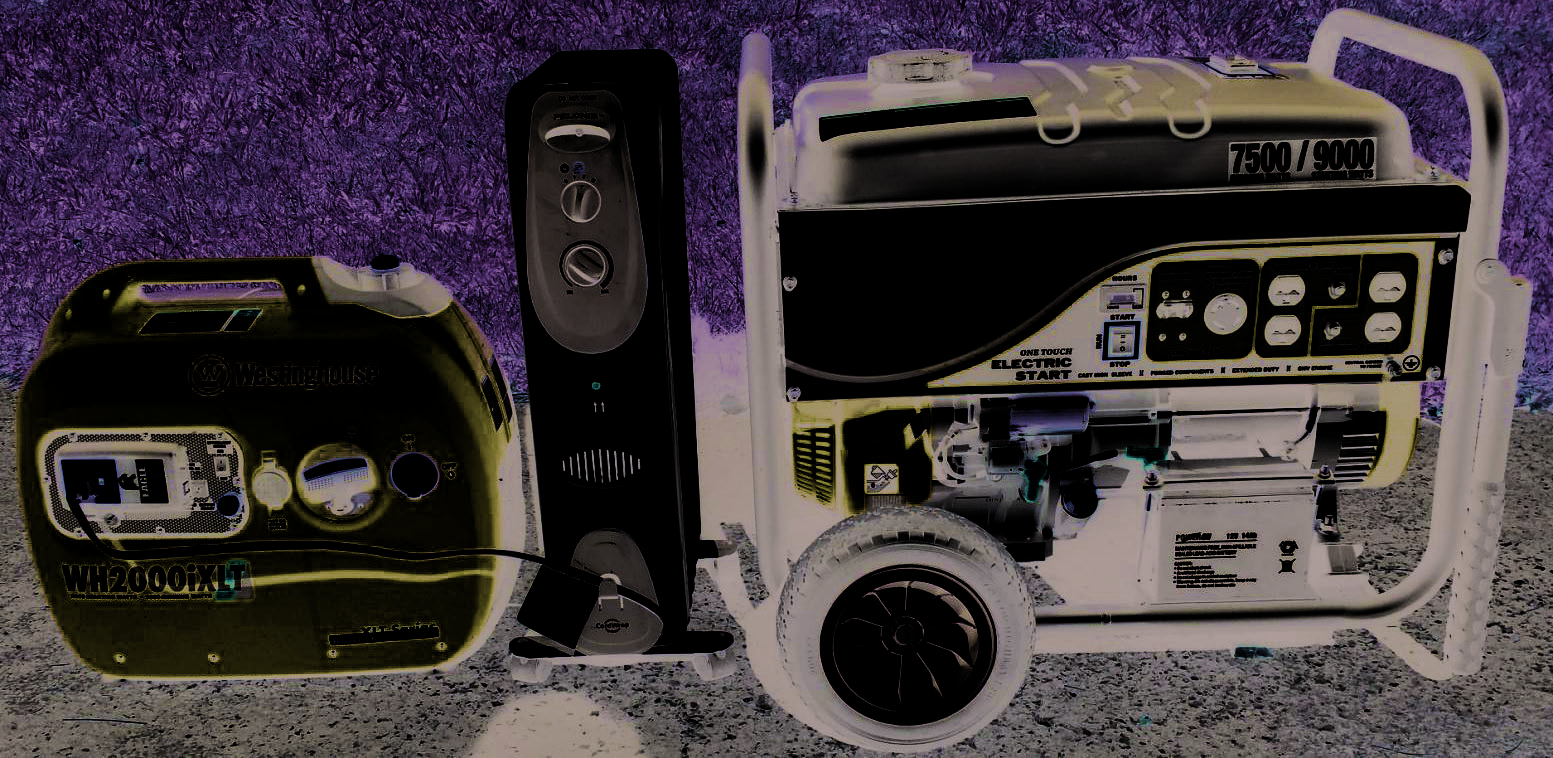
Types of Generators
An Eagle 120 PQ analyzer was used to learn about the power quality delivered by several generators. I found that there are two major types of generators, one that uses a brushless alternator and another that uses an inverter.
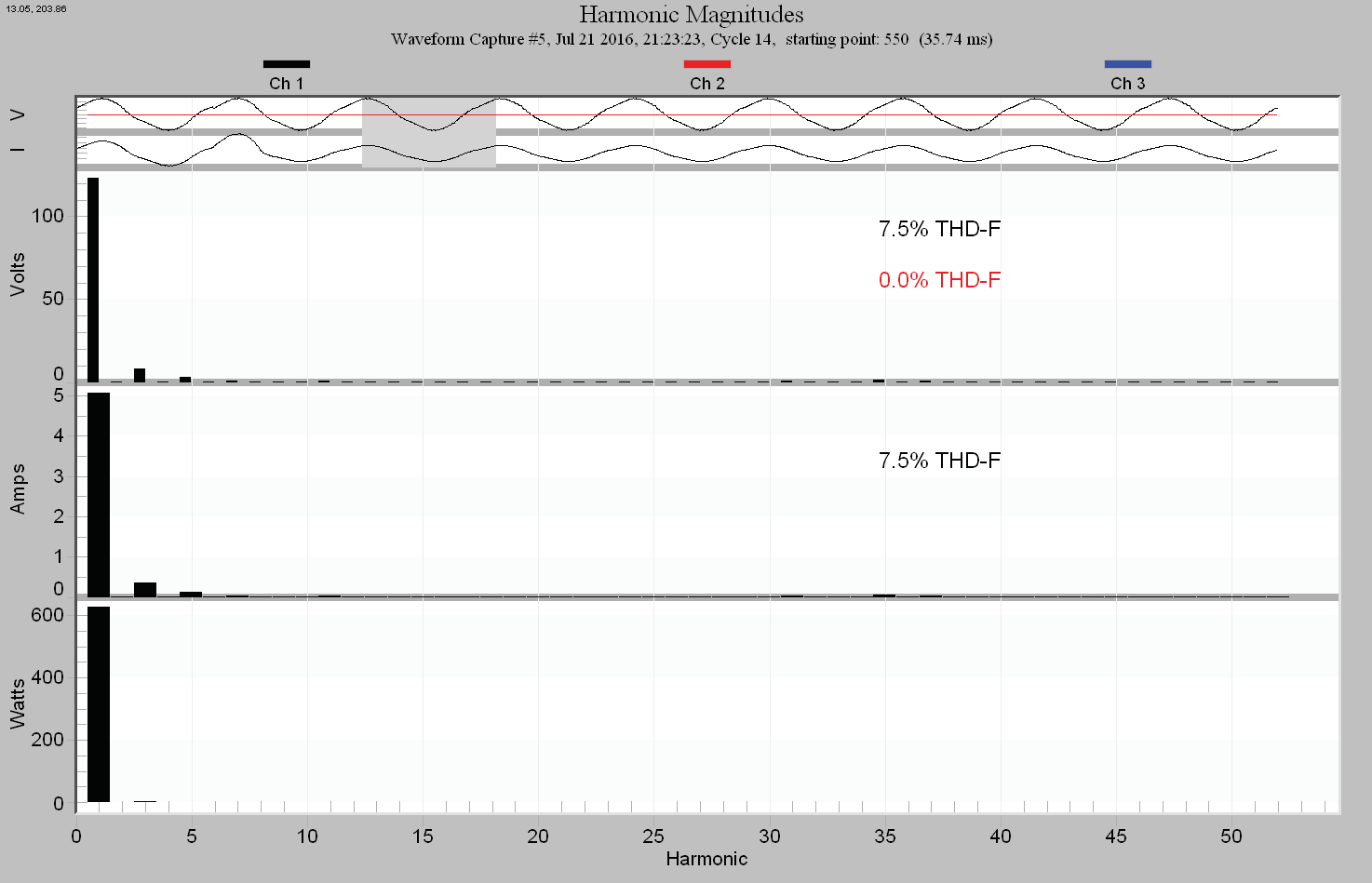
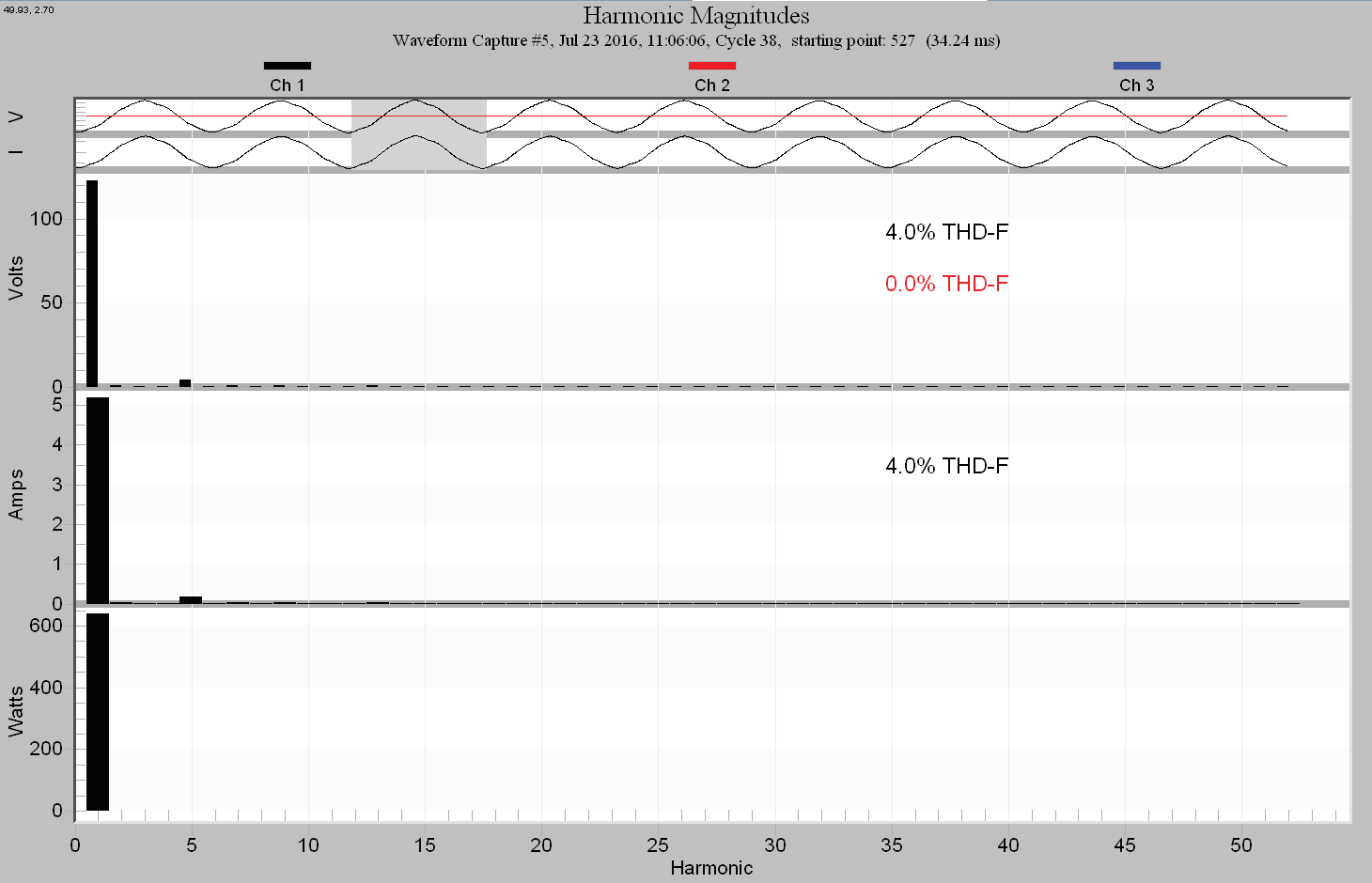
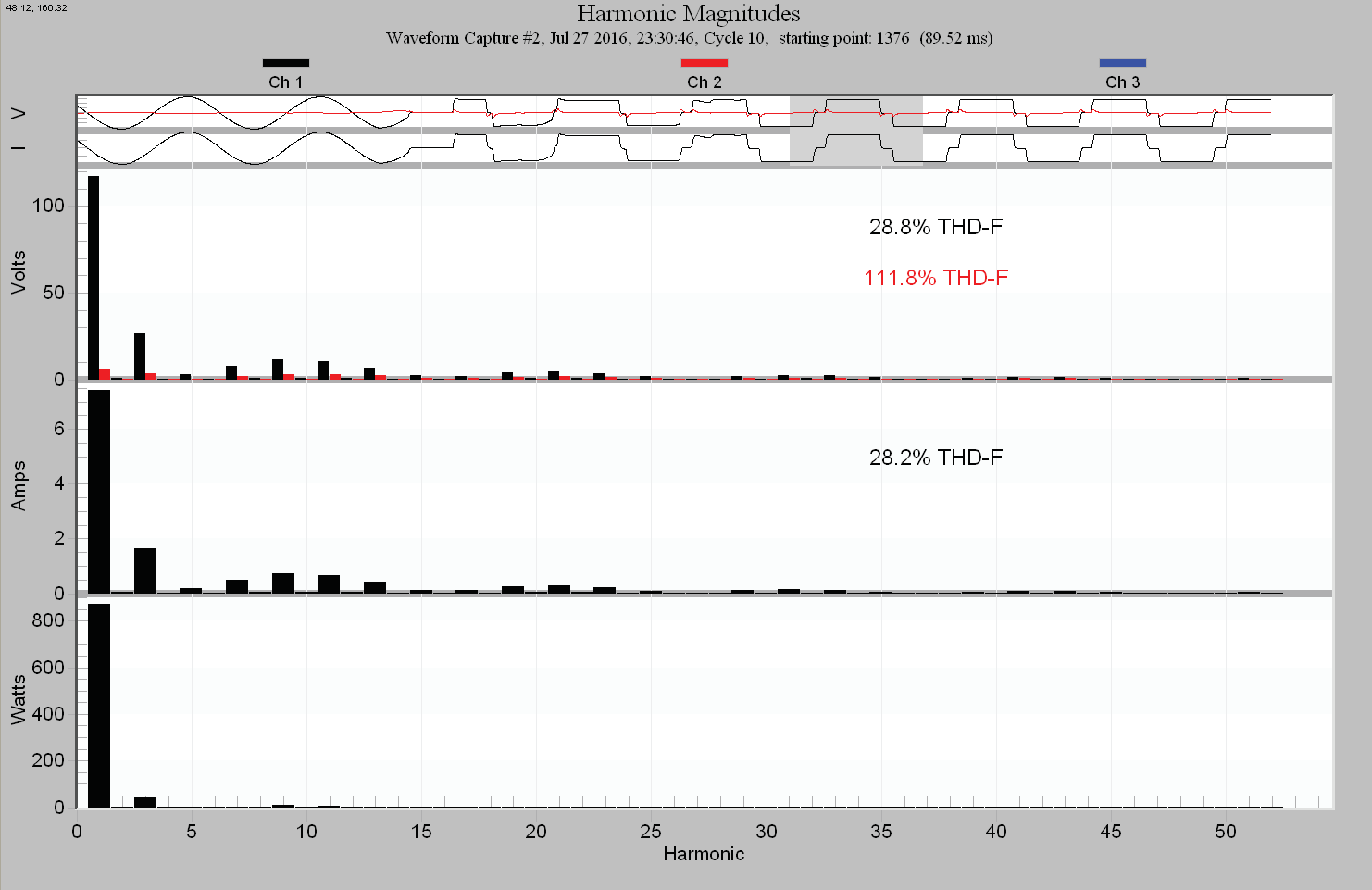
The brushless alternator type usually has to be rotated at 3600 RPMs in order to produce a 60 Hz sine wave. This makes the output frequency dependent on the engine RPM. There are some alternators that are designed to produce 60 Hz power at 1800 RPM instead of the typical 3600 RPM. The 1800 RPM units tend to be quieter, more fuel efficient and have a longer life span. There are two main factors that govern the purity of the sine wave out of the alternator type generator: the quality or specifications of the alternator’s stator and rotor. In testing, the THD can vary from as little as 4% to 9% between two generators with identical power classes with identical loads. In Figure 2, “Generator A” has a THD of around 7.5%, where the generator in Figure 3 has a THD of only 4%. They both incorporate voltage regulators, so they are somewhat safer to use with electronics than less expensive generators with no voltage regulators at all. The tradeoff between the generator in Figures 2 and 3 is that the generator in Figure 3 sacrifices a little fuel efficiency for a slightly better THD.
Another factor that plays a part in power quality is how well the alternator style can handle changes in loads. Some alternators have better feedback systems in order to handle load changes without changing the RPM of the alternator (and thus its operating frequency). Also, some generators have electronic controlled Automatic Voltage Regulators, (AVR), which is a must if the power is to be used on sensitive electronic equipment. Generally, inverter generators are more compatible with sensitive electronics, especially if a computer is involved. Adding a UPS between the generator and computer can be helpful, allowing an extra layer of protection so data is not lost during the starting and stopping transition period. Even with most standby generators, there is a brief period during the startup cycle when no power is available that could cause computer data loss without a UPS. In Figure 4 measurements show how clean the incoming voltage waveform is with very little THD before the power is extinguished and the UPS cuts in. In Figure 5, the transition between commercial voltage and the UPS output voltage and in Figure 6 shows the UPS’s waveform.
Load Limits
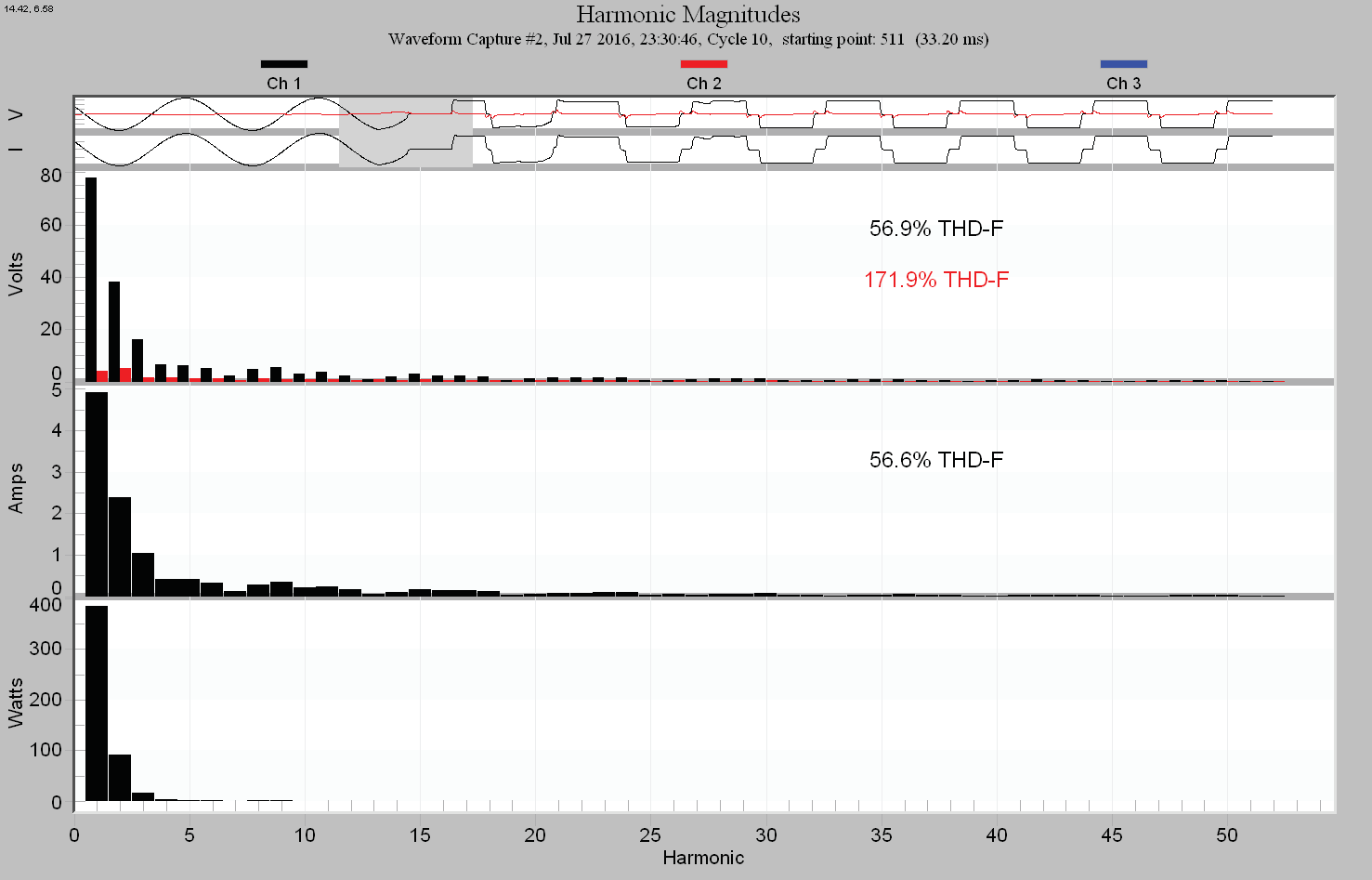
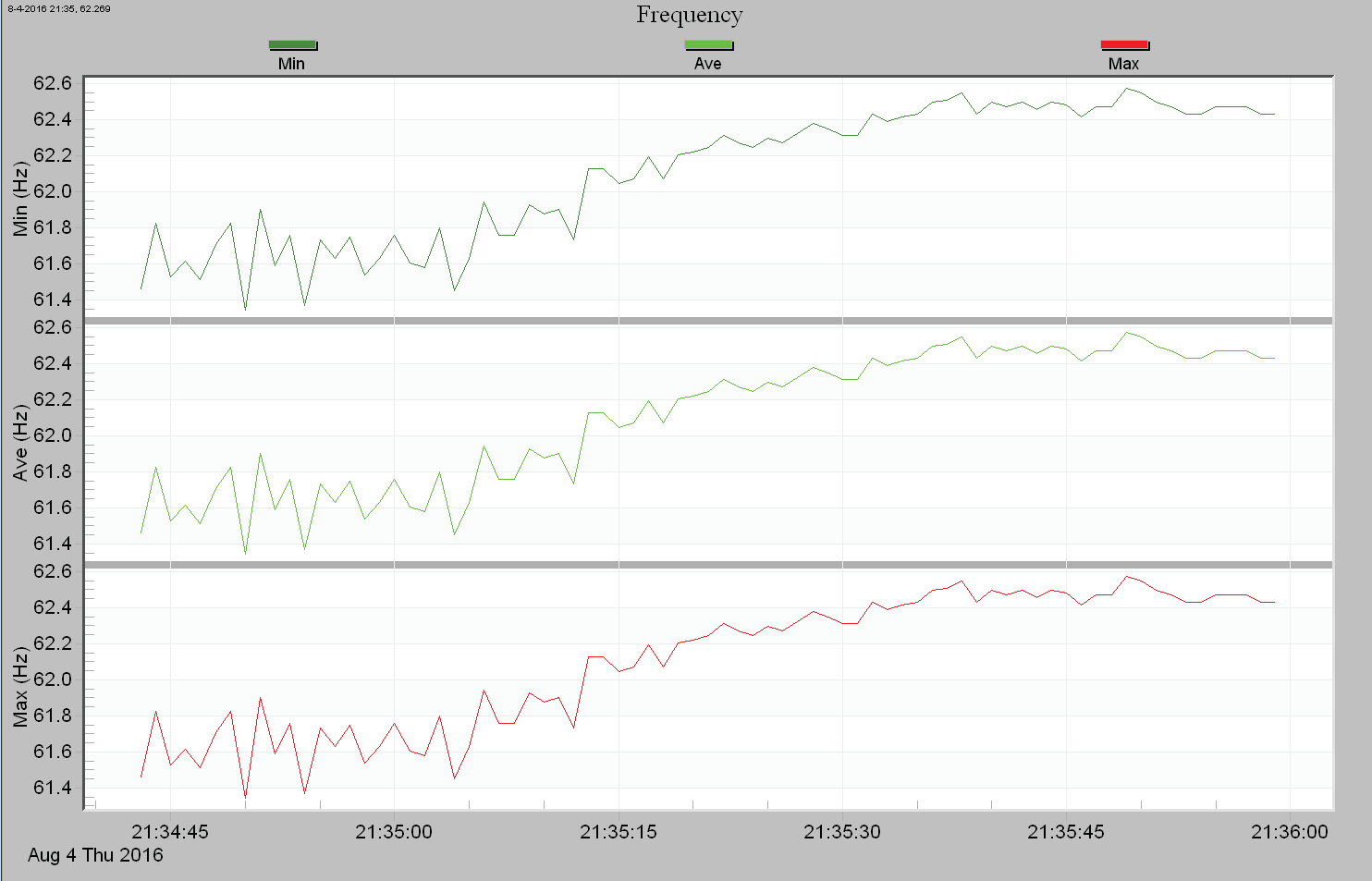
There are always limits to the amount of load the generator can handle, so getting the right size generator for a specific load is important. If the generator has a large load capacity and is used on a small load, it should have adequate capacity and not change the output frequency very much as the load fluctuates. The downside to having a larger capacity generator to run a very light load is its power efficiency. Usually larger generators require more fuel to run even with a light or no load capacity. However, if a small generator is being loaded close to its power capacity, the smaller generator may actually require more fuel per kW produced than a slightly larger generator running towards the center of its power output band. Also, if a large load is presented to the generator suddenly (Figure 7), such as an electric well pump starting up, is likely to cause an instantaneous surge in current causing the generator to slow thus changing the output frequency momentarily. If sensitive electronics are on the same circuit, problems can occur. In this respect, it is important to size the generator properly to the load it is expected to provide power for. The alternator type also has another feature that could be considered negative if audio noise is a concern. Since the brushless alternator type of generator has to maintain a constant 3600 RPM or 1800 RPM to generate 60 Hz, they are prone to be much louder than the inverter type of generator. Typically the alternator type of generator is around 20 dB louder than the same size inverter type of generator.
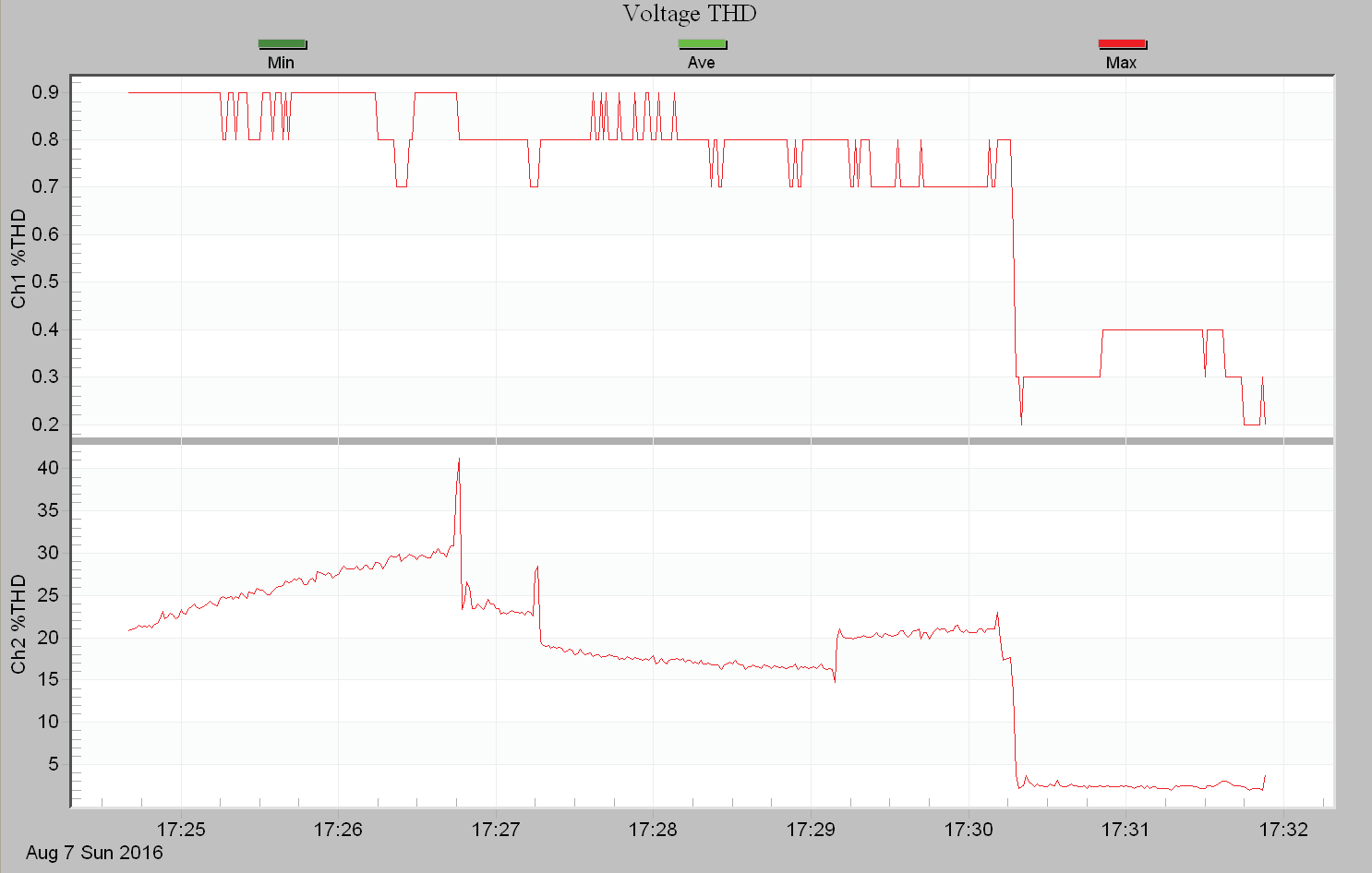
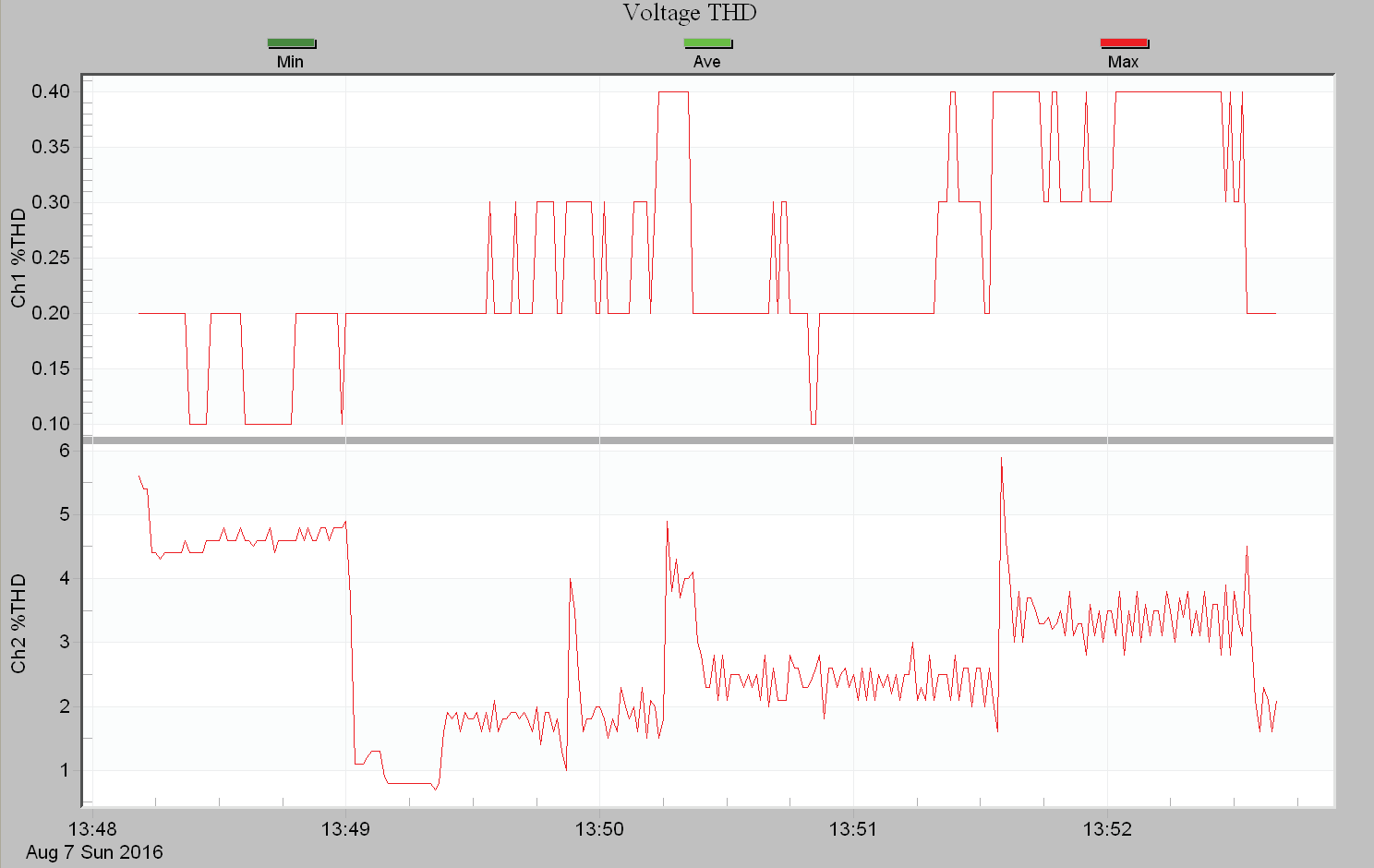
The inverter generator, except for cost, has many other advantages over the less expensive brushless alternator type besides lower audible noise. The inverter type usually has a very clean sine wave output with THD usually below 3% in most cases. Note Figures 8 and 9 which show the maximum THD on two inverter generators. In Figure 8, “Generator B” is loaded from 600 watts to 1400 watts, close to the 1800 watt manufacturer’s spec and still has a THD of below 1%. In Figure 9, the larger capacity “Generator C” has a 0.4% THD for the same loads. The inverter generators tend to be more fuel efficient and some have an ECO mode or high efficiency mode. Many higher end models can even be used together in parallel to provide extra power capability when necessary. Inverter generators can provide these advantages due to their design. They do have some similarities to the alternator type. They both have some type of fuel-powered engine and an alternator. In the inverter generator design, the motor still powers an alternator, but usually produces a much higher intermediate frequency than 60 Hz even at a lower RPMs. There is no need for the engine to match the line frequency, and the higher the frequency AC the alternator creates, the easier it is to filter out after the AC is rectified and converted to DC. This allows the engine to run at a much lower RPM during light loads, because it is not required to produce the 60 Hz line frequency. This makes the output frequency independent of engine RPM. The output frequency is controlled solely by the output inverter. This allows the generator to run at 60 Hz without the load having an effect on the power’s output frequency. As the load changes, there is feedback provided from a controller that changes the engine’s speed to match the exact load placed on the generator. This allows a much more fuel efficient way of controlling the engine’s speed allowing it to consume less fuel especially under light loads.
Most standby generators require a few seconds to sense the power outage and bring the unit up to speed before connecting the load. This allows a graceful transition to ensure the minimum amount of spikes are generated during the generator’s startup. When starting the generator, no load should be applied until the generator has warmed up and running smoothly. After it has had time to warm up, then attach the load. (Note in Figure 7 what happens to the frequency when the generator is started up even with a light load attached.)
Conclusion
Portable generators are no substitute for utility power. They cannot produce the same inexpensive, high capacity, high quality power that the distribution grid can deliver, but when utility power is not available due to outages or a remote location, a portable generator can be invaluable. The application and its requirements will determine what type of generator will best suit the load requirements. If power quality requirements are not critical, e.g. with loads such as non-electronically controlled power tools, and the expense of the generator is of great concern, then it is possible to use an inexpensive brushless alternator type generator. If electronics are involved, the minimum requirement is a generator with a good automatic voltage regulator. If low THD, low noise and high efficiency is a requirement in order to power sensitive electronics and test equipment, a digital inverter type generator should be used to supply a clean voltage sine wave.